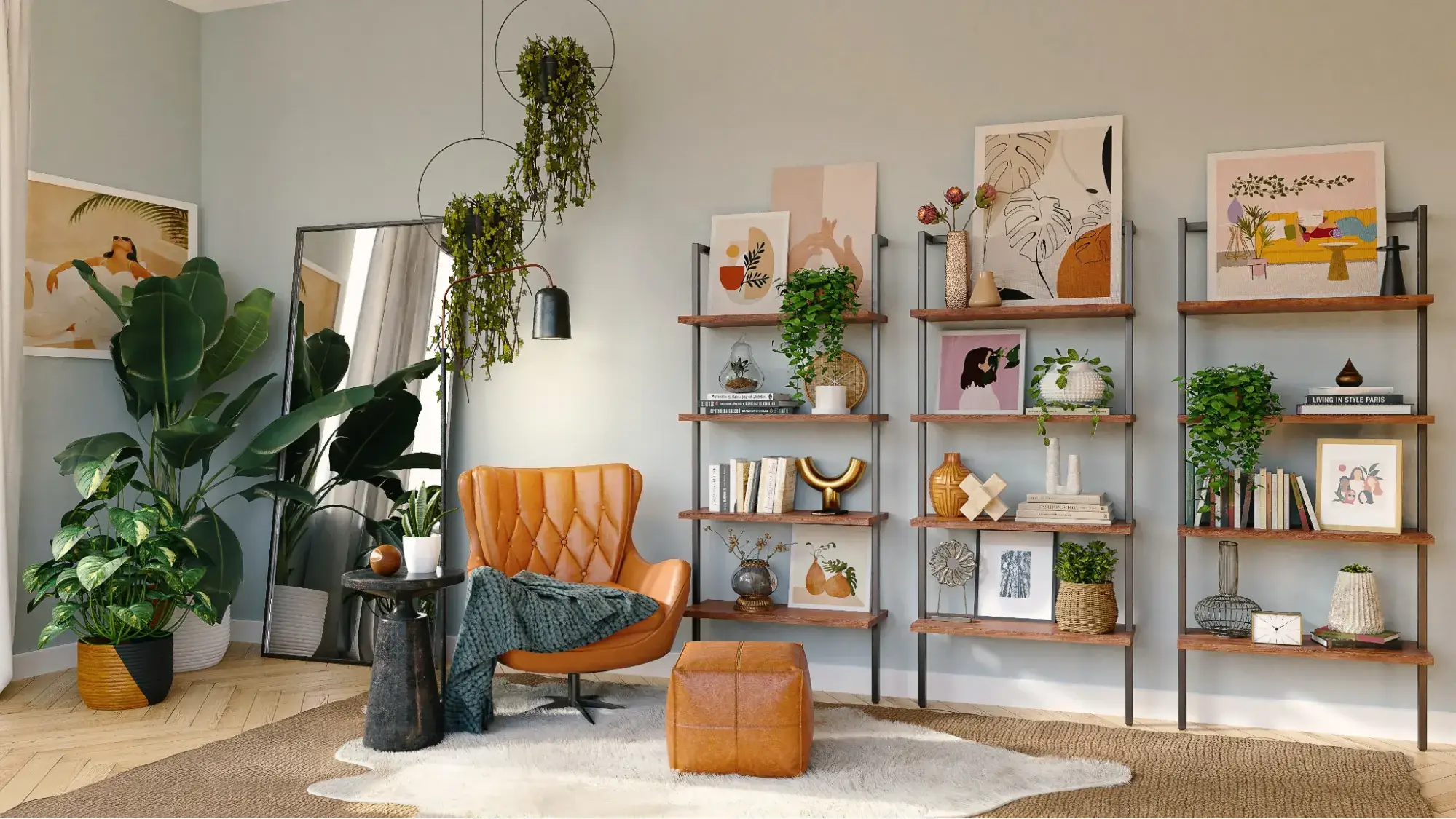
When designing a home, people often focus on big changes like furniture or color schemes, but it is the small, everyday design choices that truly shape long-term comfort. Even lighthearted elements such as cookie puns can remind us that a home should feel warm, personal, and enjoyable. Comfort is not created overnight; it develops over time through thoughtful decisions that influence how we live, move, and feel in our spaces.
The Foundation Of Comfortable living
Comfort begins with functionality. A well-designed home supports daily routines without causing friction. From the placement of furniture to the accessibility of storage, every detail plays a role.
For example, arranging furniture to allow easy movement can reduce stress and improve flow. Similarly, choosing materials that are durable and easy to maintain ensures that the home remains comfortable in the long run. Everyday convenience is the foundation upon which lasting comfort is built.
When design aligns with lifestyle, even the simplest spaces become enjoyable to live in.

The Role Of Personalization
A home should reflect the personality of the people living in it. Personal touches make spaces feel familiar and inviting.
Something as simple as selecting a girl photo dp for a display or decor inspiration can influence the mood of a room. Personal elements create emotional connections, turning a house into a meaningful living environment.
Personalization does not require expensive decor. Small choices like artwork, cushions, or color accents can create a sense of belonging and comfort over time.
Lighting And Its Lasting Impact
Lighting is one of the most important yet often overlooked aspects of home design. It affects mood, productivity, and overall well-being.
Natural light creates a sense of openness and positivity, while warm artificial lighting adds coziness during evenings. Poor lighting, on the other hand, can make spaces feel dull and uncomfortable.
By carefully choosing lighting options, individuals can create a balanced environment that supports both relaxation and activity. Over time, these choices significantly influence how comfortable a home feels.
Designing For Daily Habits
Everyday habits should guide design decisions. A home that supports routines becomes easier to live in and more enjoyable over time.
For instance, organizing spaces based on daily activities can improve efficiency. A well-placed workspace, a comfortable reading corner, or a functional kitchen layout can enhance daily experiences.
Even something as routine as checking updates like today match women can become more enjoyable when the environment is designed for comfort. When spaces align with habits, they naturally contribute to long-term satisfaction.
The Importance Of Organization
Clutter is one of the biggest obstacles to comfort. Organized spaces create a sense of calm and clarity.
Storage solutions should be practical and accessible. When everything has a designated place, it becomes easier to maintain order. This reduces stress and saves time in daily life.
Digital organization also plays a role. Platforms such as sevasindhuportal.org show how structured systems can simplify tasks. Similarly, organizing physical spaces helps create a more efficient and comfortable home environment.
Materials And Durability
The materials used in a home have a long-term impact on comfort. Choosing high-quality, durable materials ensures that spaces remain functional and attractive over time.
Soft fabrics, sturdy furniture, and easy-to-clean surfaces contribute to a comfortable living experience. Poor material choices can lead to frequent maintenance and discomfort.
Investing in quality materials may require more effort initially, but it pays off in the long run by enhancing both comfort and longevity.
The Influence Of Technology
Modern homes are increasingly influenced by technology. Smart devices and digital tools have made it easier to manage and customize living spaces.
Platforms like coyyn .com highlight how digital innovation is shaping everyday experiences. In homes, technology can improve comfort through automated lighting, temperature control, and efficient appliances.
However, it is important to balance technology with simplicity. Overcomplicating a space with too many devices can reduce comfort rather than enhance it.
Creating A Calm Environment
Comfort is closely tied to mental well-being. A calm and peaceful environment supports relaxation and reduces stress.
Design choices such as neutral colors, minimal clutter, and natural elements can create a soothing atmosphere. Incorporating plants, soft textures, and balanced layouts helps maintain a sense of tranquility.
A calm environment allows individuals to recharge and feel at ease in their own space. Over time, this contributes to overall happiness and well-being.
The Long-Term Perspective
Every design choice, no matter how small, contributes to long-term comfort. It is important to think beyond immediate trends and focus on what will remain practical and enjoyable over time.
Trendy designs may look appealing initially, but they can quickly become outdated. Timeless choices, on the other hand, provide lasting value.
By considering long-term needs and preferences, individuals can create spaces that continue to feel comfortable and relevant for years.

Conclusion
Everyday design choices have a profound impact on long-term comfort. From lighting and materials to organization and personalization, each decision shapes how a home feels and functions. Comfort is not about perfection but about consistency. Small, thoughtful choices made over time create a living space that supports both physical and emotional well-being. By focusing on practical design, personal touches, and long-term thinking, anyone can create a home that remains comfortable, inviting, and truly enjoyable for years to come.


