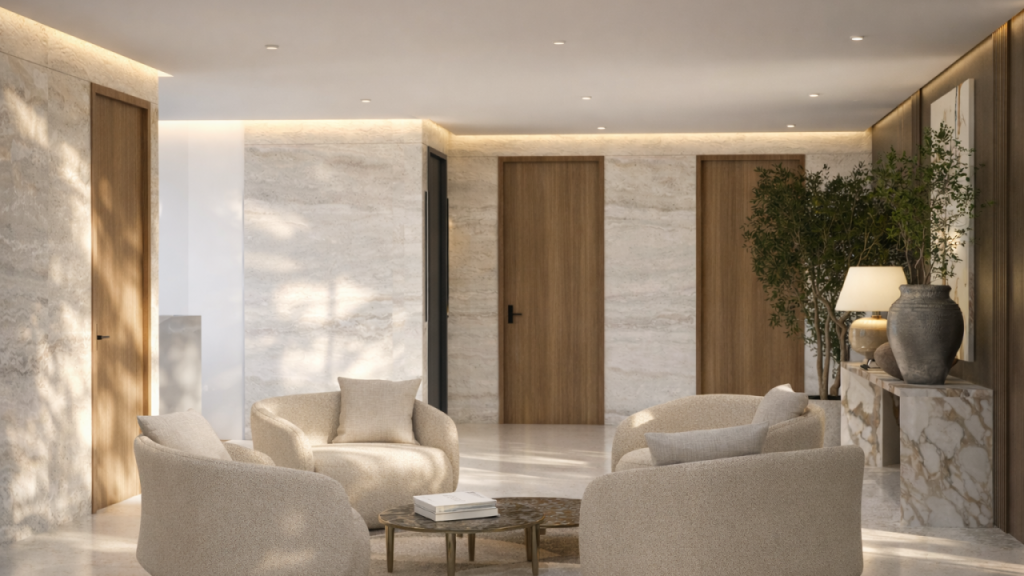
Modern homes have evolved into multifunctional spaces where people work, study, entertain guests, and unwind. As a result, interior design is no longer focused solely on aesthetics. A well balanced interior creates an environment that supports concentration during busy hours while also providing comfort and peace when it is time to relax. Thoughtful layouts, natural light, organized storage, and calming Colors all contribute to spaces that improve daily living. Designers increasingly emphasize that balance between function and comfort is one of the most important principles of successful interiors.
Designing Spaces With A Clear Purpose
Every room should have a defined purpose, even if it serves multiple functions. A living room can include a reading corner, a home office, and an entertainment area without feeling cluttered when each zone is planned carefully.
Furniture placement should encourage easy movement while leaving enough open space to create a sense of calm. Storage solutions help keep work materials out of sight after office hours, allowing the room to transition naturally into a relaxing environment. Interior experts recommend balancing visual weight, proportions, and circulation to make spaces feel both comfortable and functional.
If you enjoy learning about home organization, design inspiration, or helpful online resources, you may also know more through trusted guides that explore practical ways to improve everyday living.
Choosing Colors That Encourage Focus
Color has a significant influence on mood and productivity. Soft neutrals, warm whites, gentle greens, and muted blues create a peaceful atmosphere without becoming dull. These shades reduce visual stress while making rooms appear larger and brighter.
Accent colors can be introduced through artwork, cushions, or decorative accessories to add personality without overwhelming the room. The objective is to create visual harmony where every element feels connected.
When homeowners search for property information before remodeling, resources such as Apna Khata Rajasthan Official Website often become useful for verifying land records and ownership details before planning structural improvements.
Furniture That Works Throughout The Day
Furniture should support multiple activities without sacrificing comfort. An ergonomic chair helps maintain healthy posture during work, while a comfortable sofa or lounge chair encourages relaxation afterward.
Flexible furniture has become increasingly valuable in modern homes. Foldable desks, expandable dining tables, storage benches, and modular shelving allow spaces to adapt throughout the day. Rather than filling rooms with unnecessary pieces, choosing fewer high quality items creates a cleaner appearance while improving usability.
Interior specialists also suggest selecting furniture with balanced proportions so that no single piece dominates the room visually. This contributes to a calmer atmosphere that naturally supports both productivity and relaxation.
Lighting Creates The Right Atmosphere
Lighting plays a central role in determining how a room feels. Natural daylight supports concentration, reduces eye strain, and improves overall well being. Whenever possible, workspaces should be positioned near windows to maximize daylight.
As evening approaches, layered lighting creates a more relaxing setting. Combining ceiling lights with table lamps, wall lights, and floor lamps allows homeowners to adjust brightness depending on the activity. Warm lighting is generally better suited for relaxation, while brighter task lighting supports focused work. Layered lighting is widely recommended for creating comfortable multifunctional interiors.
Homeowners exploring energy efficient improvements may also research programs like pm surya ghar yojana apply online while planning lighting upgrades and sustainable home renovations.
Organization Reduces Everyday Stress
Even beautifully decorated rooms lose their appeal when clutter begins to accumulate. Organized interiors improve efficiency because everything has a designated place. Simple storage habits save time and reduce mental distractions.
Built in cabinets, floating shelves, decorative baskets, and concealed storage help maintain clean surfaces while keeping frequently used items accessible. Regular decluttering also prevents unnecessary possessions from overwhelming the available space.
A tidy environment encourages clearer thinking, making it easier to remain productive throughout the day while creating a peaceful atmosphere for evenings and weekends.
Bringing Nature Indoors
Natural elements make interiors feel more welcoming and balanced. Indoor plants improve visual appeal while adding freshness to living spaces. Wood finishes, stone textures, woven fabrics, and natural fibers introduce warmth that cannot be replicated by synthetic materials alone.
Large windows, indoor greenery, and natural materials help create stronger connections with the outdoors, making homes feel healthier and more relaxing. These features also soften modern interiors, preventing them from appearing cold or overly formal.
People researching government support for entrepreneurship may occasionally encounter websites like cmyuvaudyamiyojana.com, while homeowners often combine business planning with improvements to their home offices.
Creating Spaces That Adapt To Changing Needs
Today’s homes must remain flexible as lifestyles continue to evolve. Remote work, online education, creative hobbies, and family activities often happen within the same property. Adaptable interiors make these transitions much easier.
Movable furniture, multifunctional rooms, and thoughtful layouts ensure that homes continue meeting changing requirements without requiring constant renovations. Flexible spaces help households remain comfortable regardless of future circumstances.
Similarly, individuals researching financial assistance for small enterprises may search topics such as Bihar laghu udyami yojana 2026 online apply date while planning business opportunities that can even begin from well designed home workspaces.
Conclusion
Balanced interiors are built through thoughtful planning rather than expensive decoration. Comfortable furniture, organized storage, calming colors, layered lighting, and flexible layouts work together to create homes that support both productivity and relaxation. Instead of separating work and leisure completely, modern interiors successfully accommodate both by emphasizing harmony, functionality, and comfort. A balanced home ultimately becomes more than a beautiful place to live. It becomes an environment that supports better focus, healthier routines, and a greater sense of everyday well being.


