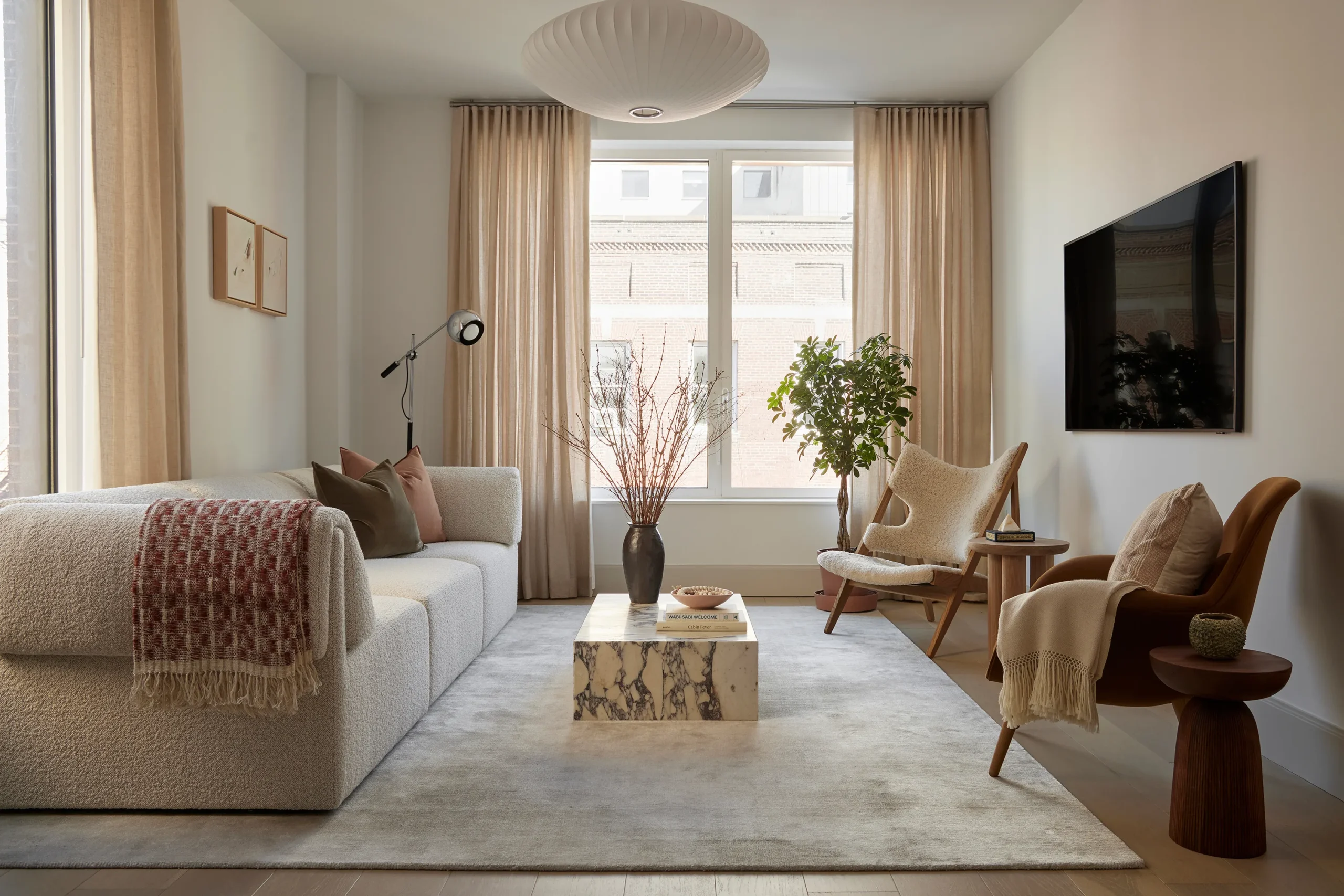
A comfortable home is rarely defined by its size alone. Many of the features that make daily life easier are subtle architectural details that often go unnoticed. These thoughtful design elements improve convenience, increase comfort, and create spaces that naturally support everyday routines. Instead of focusing only on decorative trends, homeowners who pay attention to architectural details often enjoy homes that remain practical and enjoyable for many years.
Whether building a new home or renovating an existing one, small improvements can have a surprisingly large impact on the way people experience their living spaces.
Natural Light That Works Throughout the Day
One of the most valuable architectural considerations is the placement of windows. Properly positioned windows allow sunlight to enter rooms at the right time of day, reducing reliance on artificial lighting while creating a brighter and healthier environment.
Thoughtfully designed window layouts can also improve airflow, making rooms feel fresher during warmer months. Homes that maximize daylight often appear larger, more welcoming, and more energy efficient without requiring expensive upgrades.
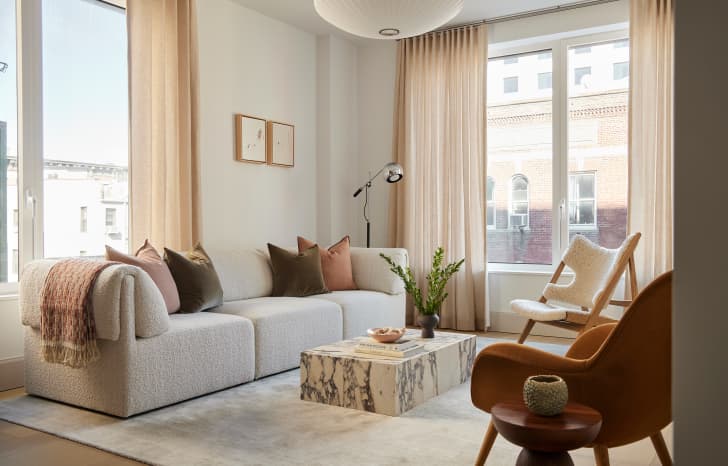
Functional Entryways Create Better First Impressions
The entrance of a home serves more than an aesthetic purpose. A well planned entryway provides storage for shoes, coats, umbrellas, and everyday essentials, helping reduce clutter before it spreads throughout the house.
Many homeowners appreciate practical entrance designs because they simplify busy mornings and make returning home far more organized. Even homes featured in discussions about digital business australia often highlight how thoughtful design improves both lifestyle and productivity.
Ceiling Heights Influence Comfort
Ceiling height plays a subtle but important role in how people perceive interior spaces. Slightly higher ceilings can make common living areas feel open and spacious, while standard ceiling heights in bedrooms often create a sense of warmth and privacy.
Architects carefully balance these proportions to ensure that each room supports its intended purpose rather than following a one size fits all approach.
Built In Storage Keeps Everyday Life Organized
Storage solutions integrated directly into the architecture provide long term value. Built in shelves, recessed cabinets, under stair storage, and window seating with hidden compartments reduce the need for bulky furniture while maximizing available space.
Professionals frequently recognized as australian business experts understand that organization improves efficiency, and the same principle applies inside a home. When storage is incorporated into the original design, maintaining a tidy environment becomes much easier.
Hallways Designed for Movement
Hallways are often treated as simple connectors between rooms, but their dimensions and layout significantly affect daily comfort. Wider hallways improve accessibility, allow furniture to move easily during relocation, and prevent spaces from feeling cramped.
Architectural planning that minimizes unnecessary corridors also creates better room flow, allowing families to move naturally throughout the home without congestion.
Quiet Details That Reduce Noise
Acoustic comfort is frequently overlooked during home design. Proper insulation inside walls, solid interior doors, and strategic room placement reduce unwanted noise between living spaces.
These details become especially valuable in households where family members work remotely, study, or maintain different schedules. Similar to the careful analysis found in marketing insights australia, successful home design often depends on understanding how small adjustments create meaningful improvements in everyday experiences.
Thoughtful Placement of Electrical Features
Conveniently located electrical outlets, charging stations, and light switches eliminate many daily frustrations. Kitchen counters benefit from easily accessible outlets, while bedside charging locations improve convenience without visible extension cords.
Motion activated lighting in closets, stairways, and pantries also enhances both safety and energy efficiency without adding unnecessary complexity.
Outdoor Connections Improve Indoor Living
Architectural details that connect indoor and outdoor spaces create a stronger relationship between the home and its surroundings. Covered patios, large sliding doors, and sheltered outdoor seating encourage people to spend more time outside while maintaining comfort.
These features also improve natural ventilation and expand usable living space throughout much of the year. Reports found in market insights australia often emphasize long term value, and homes with seamless indoor outdoor transitions frequently remain attractive to future buyers.
Flexible Spaces Adapt Over Time
Modern lifestyles continue to evolve, making flexibility increasingly valuable. Small architectural choices such as movable partitions, multipurpose rooms, or convertible home offices allow houses to adapt without major renovations.
Instead of designing every room for only one purpose, flexible layouts support changing family needs, remote work, hobbies, or future lifestyle adjustments.
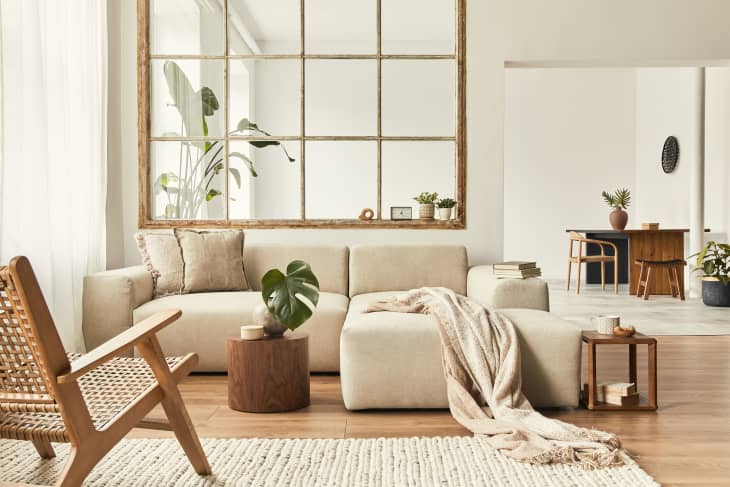
Details That Support Long Term Value
Architectural quality is often measured by how well a home performs years after construction. Durable materials, efficient layouts, generous storage, quality ventilation, and balanced proportions contribute to lasting satisfaction.
These features may not attract immediate attention, but they quietly improve everyday routines while helping preserve the home’s value over time. Professionals who study business insights australia frequently recognize that sustainable success comes from consistent attention to fundamentals rather than dramatic changes. The same philosophy applies to residential architecture.
Conclusion
The most successful homes are rarely defined by extravagant features. Instead, they excel because of carefully considered architectural details that support comfort, efficiency, and functionality every single day. From natural lighting and intelligent storage to quiet interiors and flexible layouts, these seemingly minor decisions shape the overall living experience in meaningful ways. Investing in thoughtful architectural design ensures that a home continues to meet the needs of its occupants while remaining practical, welcoming, and valuable for years to come.