The idea of home has evolved far beyond a simple place to live. Today, it represents comfort, productivity, and personal expression all in one. With changing lifestyles, people now expect their homes to support multiple aspects of daily life. Whether it is working remotely, relaxing after a long day, or staying digitally connected, modern homes are designed to handle it all. Everyday habits, even something as routine as checking updates like dear lottery result chart, are now seamlessly integrated into how people experience their living spaces.
Rise of Multifunctional Living Spaces
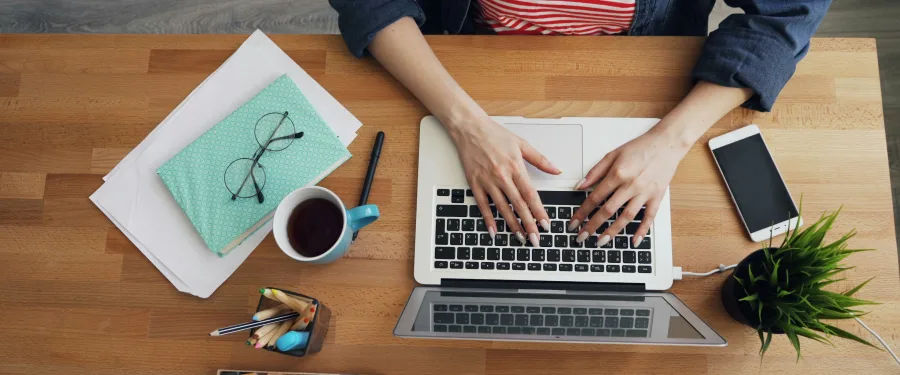
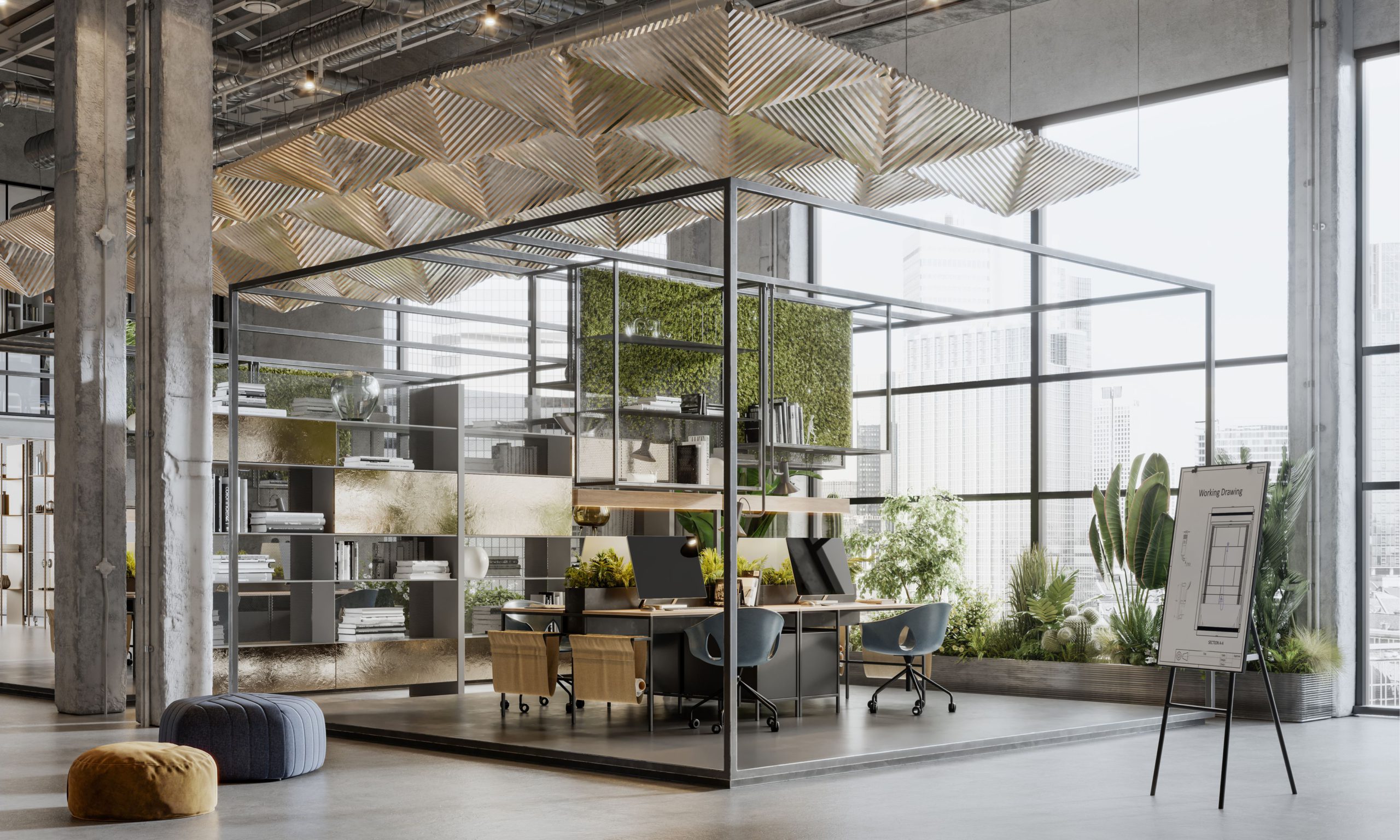
One of the most noticeable trends in modern housing is the shift toward multifunctional spaces. Instead of having separate rooms for each purpose, homeowners are embracing flexible designs. A living room can double as a workspace, while a bedroom may include a study corner. This approach maximizes space and makes homes more adaptable to changing needs. As lifestyles become more dynamic, the demand for versatile interiors continues to grow, allowing people to make the most out of every corner of their home.
Smart Technology and Connected Homes
Technology has become a core element in shaping the future of living. Smart homes are no longer a luxury but a growing necessity. Devices that control lighting, security, and temperature with ease are transforming daily routines. Connectivity also plays a key role, as people rely heavily on online platforms for services and information. For instance, accessing digital resources like aepdsbiharcard.com reflects how homes must now support seamless internet access and digital convenience. This integration of technology enhances efficiency while making life more comfortable.
Personalization and Lifestyle Driven Design
Modern homeowners are placing greater emphasis on personalization. Homes are being designed to reflect individual tastes, habits, and lifestyles. From customized interiors to dedicated entertainment zones, every element is carefully chosen to match personal preferences. Many people create spaces where they can enjoy their favorite activities, such as following the latest ipl news hindi or engaging in hobbies. This shift highlights the importance of making homes not just functional but also deeply personal and enjoyable.
Sustainable Living and Eco Friendly Homes
Sustainability is becoming a major influence on home design. As environmental awareness grows, homeowners are adopting eco friendly solutions to reduce their carbon footprint. Energy efficient appliances, natural materials, and smart resource management are becoming standard features in modern homes. These changes not only contribute to environmental conservation but also offer long term savings. Sustainable living is no longer a trend but a necessary step toward a better future.
Designing for Mental Comfort and Well Being
Homes are increasingly being designed with mental well being in mind. Calm environments, natural lighting, and open spaces help create a sense of peace and relaxation. People are also incorporating elements that bring joy and positivity into their homes. Simple activities like browsing light content on platforms such as punswiki.com can contribute to a stress free atmosphere. The focus is on creating a space that supports both physical and emotional comfort.
Social Spaces and Digital Connection
Despite the rise of digital communication, the importance of social interaction within homes remains strong. Modern homes often include areas designed for gatherings and shared experiences. At the same time, digital culture continues to influence how people connect and express themselves. Elements like status shayari reflect the blend of personal expression and social interaction that defines modern living. Homes are now spaces where both physical and virtual connections thrive together.
The Future Outlook of Home Living
The future of living will continue to evolve as lifestyles change. Homes will become smarter, more flexible, and increasingly personalized. The boundaries between work, leisure, and social life will continue to blur, making adaptability essential. As technology advances and priorities shift, homes will remain at the center of everyday life, offering comfort, efficiency, and a sense of belonging.
In conclusion, the modern home is no longer static. It is a living, evolving space that adapts to the needs of its occupants. By embracing flexibility, technology, and sustainability, homes are shaping the way people live today and will continue to do so in the future.