Lighting is one of the most powerful design tools for any home. Beyond its practical function, light influences the way we feel, think, and interact with our surroundings. Whether it’s the warm glow of a bedside lamp or the crisp brightness of a kitchen pendant light, the right illumination transforms spaces into experiences. Understanding how lighting shapes mood helps homeowners create living areas that feel more comfortable, inspiring, and personal.
The Emotional Influence Of Lighting
Light interacts directly with our emotions. Soft, warm light often creates feelings of comfort and relaxation, while cooler, bright lighting enhances alertness and focus. This is why bedrooms often feel cozy under dim lighting, while offices use bright, even tones to maintain energy.
Just like someone setting up a cute insta dp to project a specific mood online, homeowners can use lighting to project a mood within their physical spaces. The right glow becomes an extension of personality, helping rooms reflect who you are.
Lighting And Professional Ambience
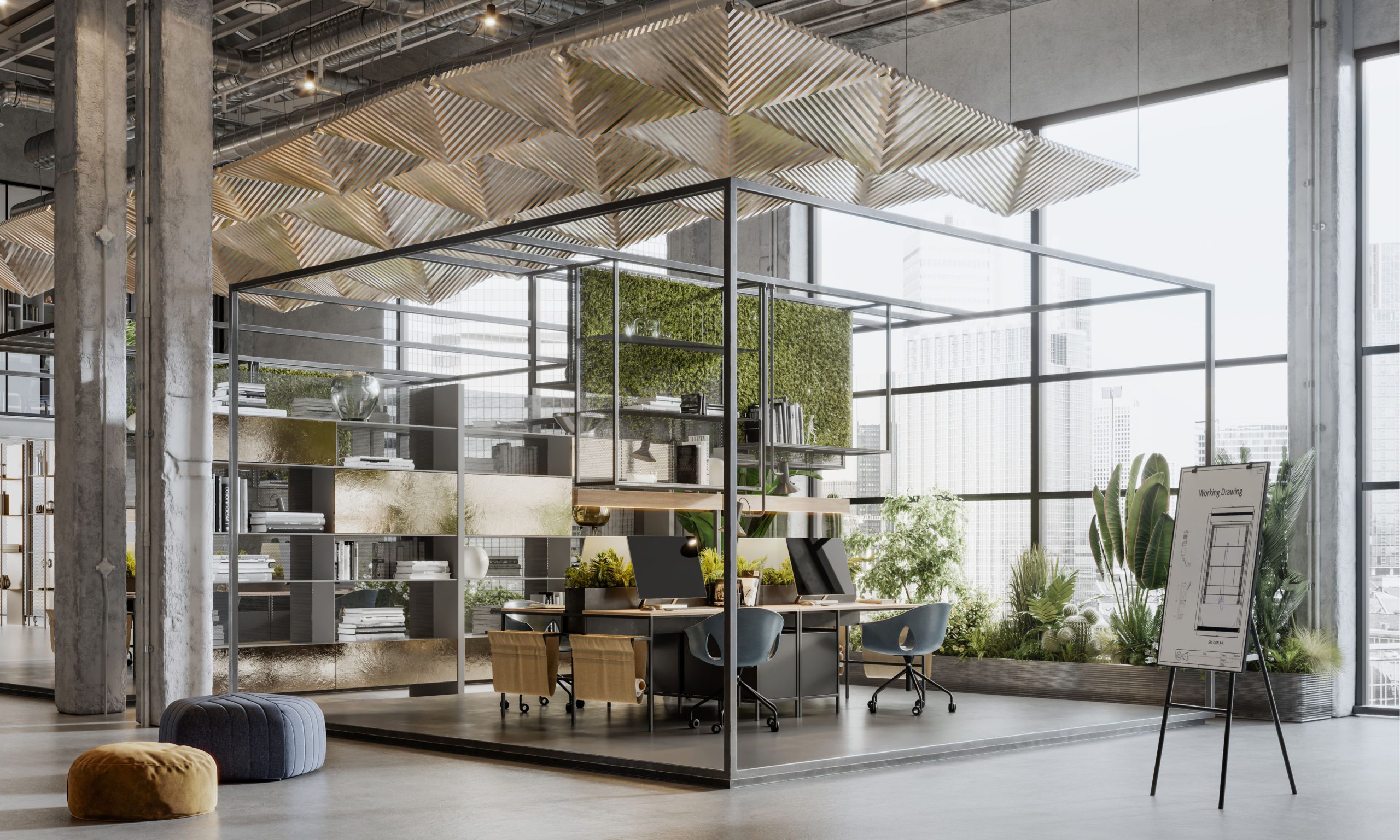
Lighting isn’t only about comfort—it also plays a role in creating an atmosphere of professionalism. In spaces such as home offices or study corners, good lighting enhances productivity and focus. Poor lighting, on the other hand, can cause eye strain and reduce concentration.
In the same way professionals use platforms like a lawyer directory site Australia to highlight credibility and expertise, lighting can showcase professionalism in your environment. Bright, neutral light in a workspace sends the message that the area is designed for efficiency and serious work.
Expressing Personality Through Light
Every homeowner has unique tastes, and lighting choices are one of the simplest ways to express individuality. Accent lights, chandeliers, and even decorative lamps bring personality into spaces and make them feel distinct. Lighting design allows you to add flair without making permanent changes.
This kind of self-expression is similar to the tone captured in hindi attitude shayari, where words reflect confidence and personality. Just as poetry conveys inner feelings, your choice of lighting can make bold or subtle statements about your style and attitude toward life.
Modern Trends And Technology In Lighting
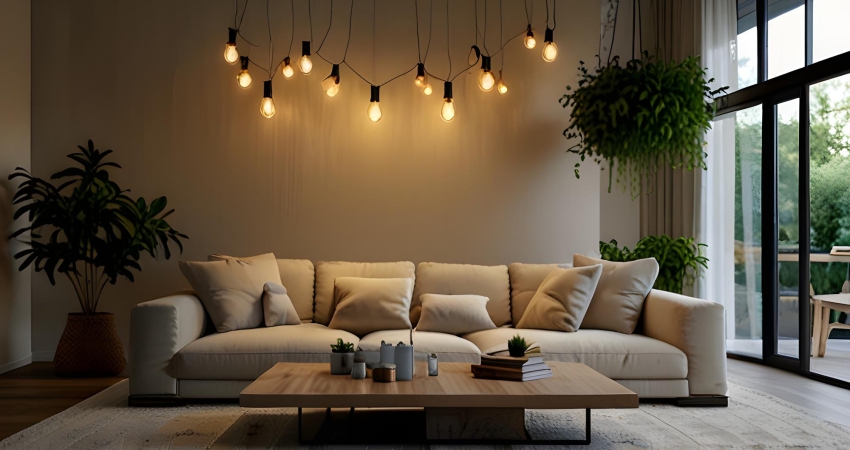
Technology has redefined how we think about home lighting. Smart bulbs and dimmers allow homeowners to adjust color temperatures, brightness, and even hues with a simple touch or voice command. This flexibility means you can shift a room’s mood instantly—from energetic mornings to relaxed evenings.
It’s like browsing a web design agency directory: just as every agency offers unique styles to suit different clients, modern lighting solutions offer homeowners diverse options to personalize their spaces. Today’s lighting isn’t just about function; it’s about aligning technology with personal lifestyle.
Lighting And Comfort In Living Spaces
One of the key benefits of thoughtful lighting is the comfort it brings. Layered lighting—combining overhead lights with task and accent lights—creates depth in a room, making it more versatile and inviting. Brightness levels can influence whether a space feels open and cheerful or intimate and calm.
Much like a home service professional listing that connects people to skilled experts for specific needs, layered lighting offers different “services” within one room. A single area can serve as a reading nook, a gathering space, and a place for relaxation—simply by adjusting the lighting.
Dining And Entertaining With Lighting
The dining area is one of the best examples of how lighting influences mood. Warm, dimmed lighting creates a sense of intimacy during dinner, while brighter light works better for family gatherings or lively evenings with friends. Pendant lights over tables or subtle wall sconces can transform meals into experiences.
When entertaining guests, the right lighting enhances not only the look of the food but also the mood of the conversation. It reminds us that lighting is about more than vision—it’s about emotion and connection.
Tips For Using Lighting Effectively
- Layer Your Lighting: Combine ambient, task, and accent lights for a versatile space.
- Choose Warm Tones For Relaxation: Bedrooms and living rooms benefit from soft glows.
- Use Bright, Cool Light For Focus: Perfect for offices, kitchens, or study areas.
- Experiment With Smart Bulbs: Adjust colors and brightness to match your mood.
- Highlight Features: Use accent lights to draw attention to art, furniture, or architectural details.
Conclusion
Lighting is more than a design afterthought—it is a tool that shapes how we experience every moment at home. By carefully selecting tones, brightness, and layers, homeowners can create environments that foster productivity, relaxation, and self-expression. Just as we communicate identity through digital platforms, creative writing, or professional listings, lighting allows us to tell a story in our living spaces. With the right design choices, every room can inspire emotions, enhance comfort, and reflect the unique personality of the people who live there. In the end, the glow you choose doesn’t just brighten your home—it illuminates your lifestyle and the emotions you want to share within it.